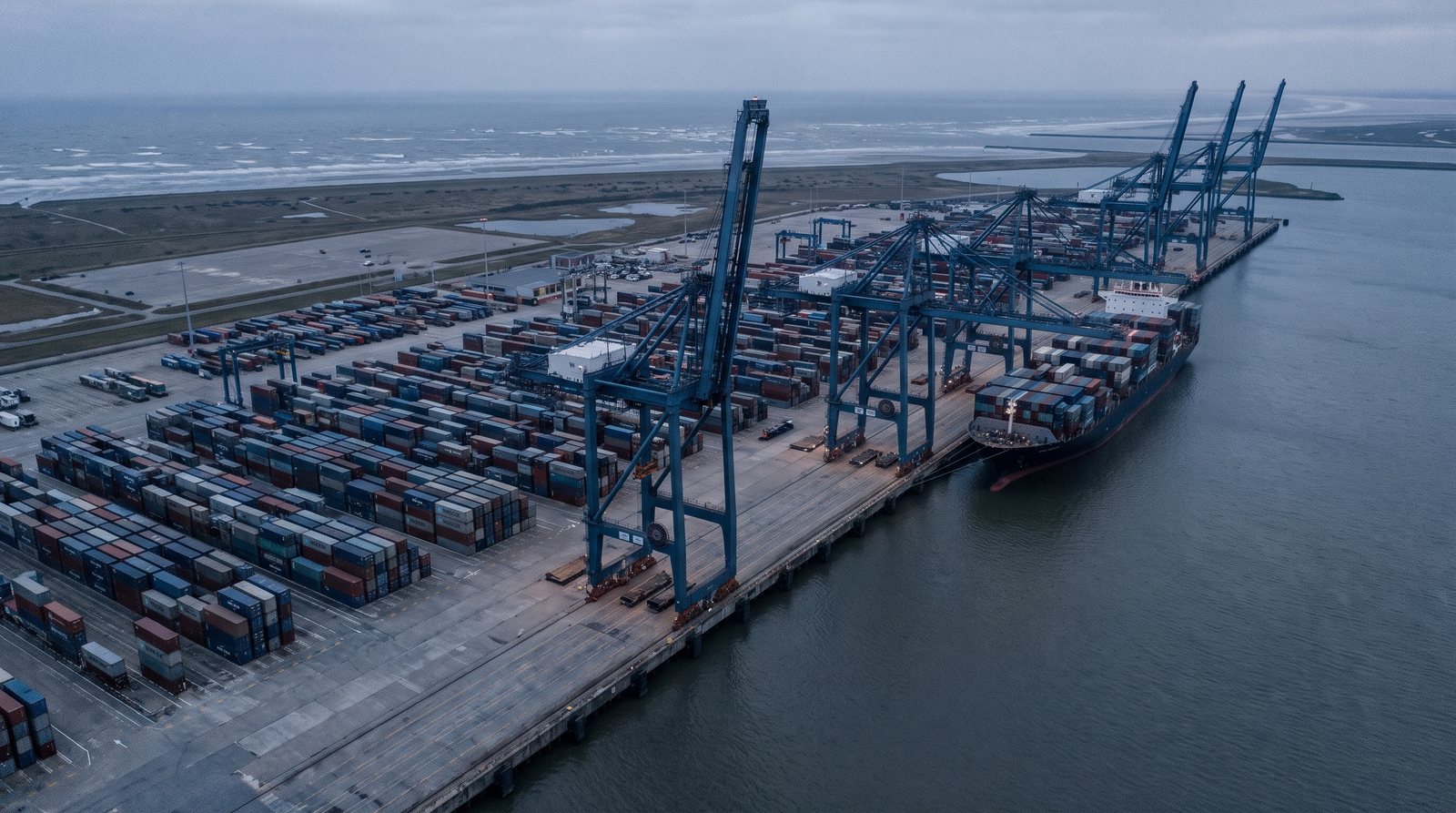
Bremerhaven, nine days out
Our German branch works the first European call on the crossing. Cargo for the German market comes off there rather than riding two more days to Rotterdam and coming back by road.
Why we open here
The ship passes Bremerhaven before it reaches Rotterdam
On the transatlantic services that run this corridor, Bremerhaven is roughly nine days out of Halifax and Rotterdam is about eleven. For a buyer in Bremen, Hamburg or the Ruhr, taking the box off at the German call saves two days at sea and a road leg back across the border.
That is the whole argument for the branch. It is not a bigger port than Rotterdam and we do not pretend otherwise, but for German-bound cargo it is the earlier one, and the customs entry happens in the country where the goods are actually going.
Bremerhaven handled 5.21 million TEU in 2025, which makes it the fourth largest container port in Europe. Container volumes through the Bremen ports rose that year while Hamburg's fell.
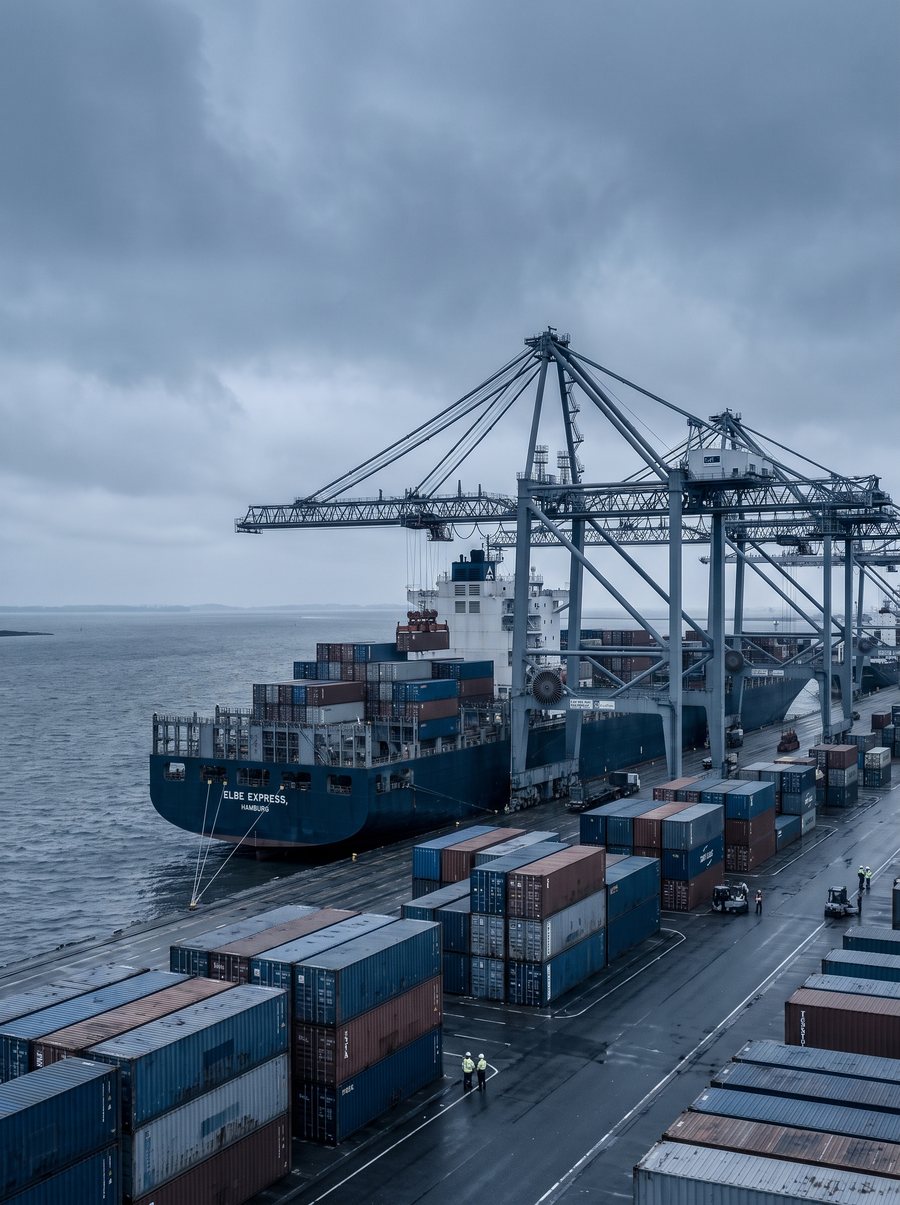
The port
What Bremerhaven gives you
The terminal is operated by other companies. These are their figures, not ours.
Where it sits
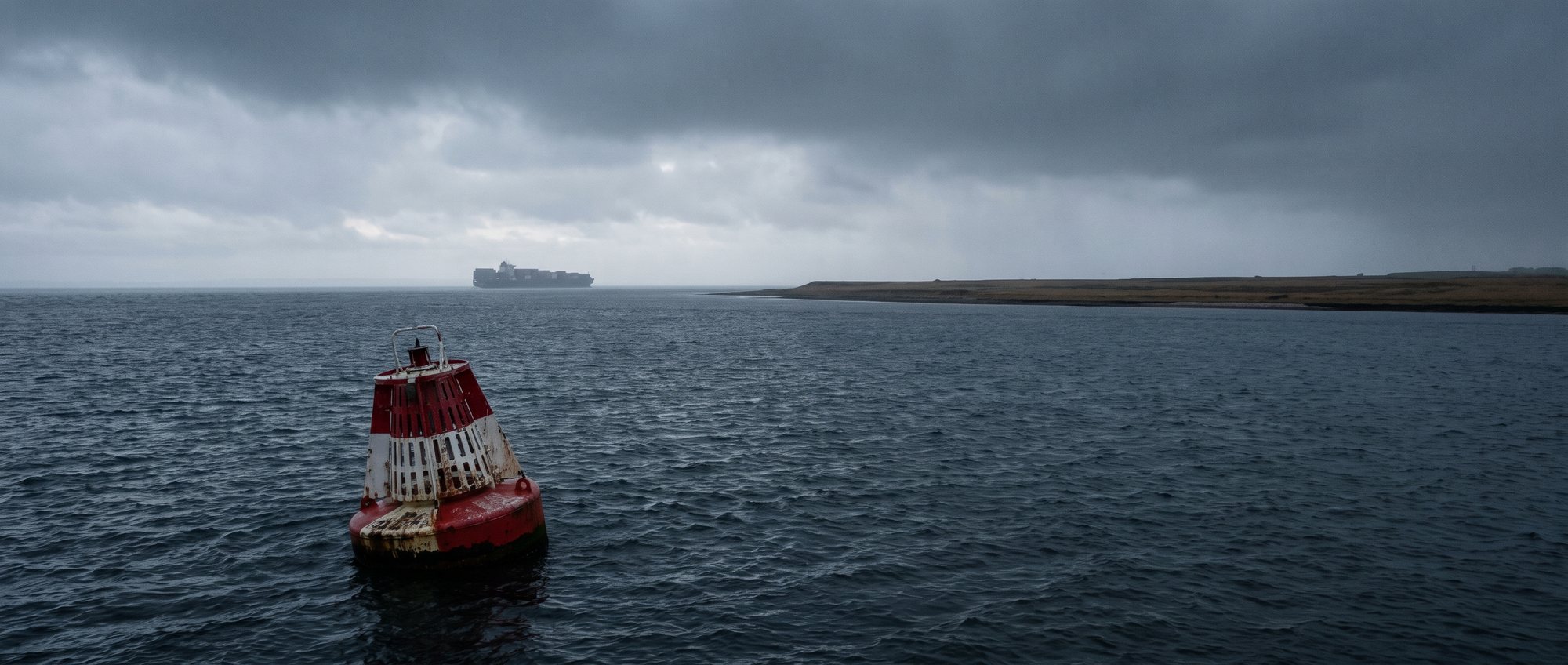
On the Weser estuary at the North Sea coast, so a vessel comes off the open sea and onto the berth without a long river passage inland.
Who runs it
North Sea Terminal Bremerhaven and MSC Gate operate the container facilities. NTB alone handles over three million TEU a year.
What else moves
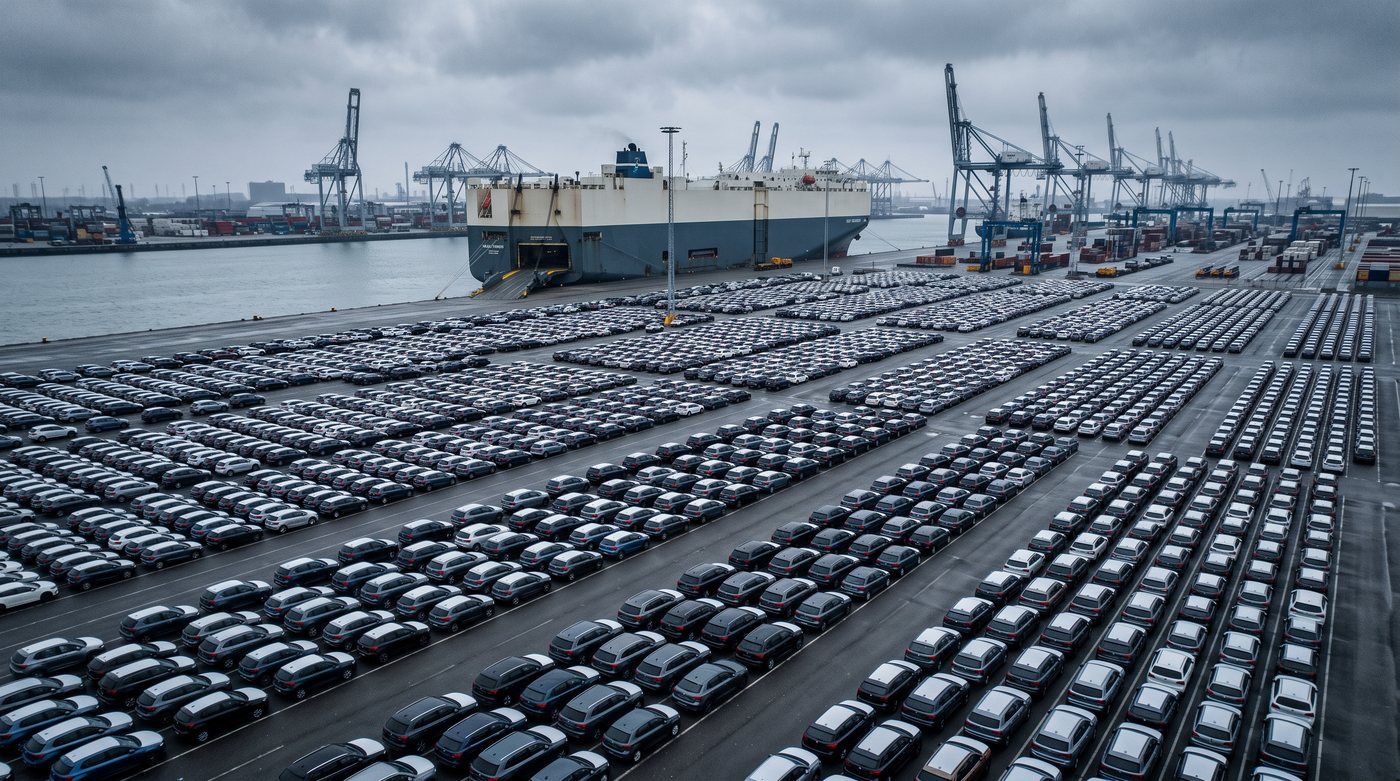
Bremerhaven is Germany's main vehicle export gateway. If you are shipping cars or plant, the handling experience is already there.
Port figures published by bremenports and the terminal operators. Listed on the sources page.
German customs
Clearing into Germany is a different job from clearing into the Netherlands
Both are the European Union, so the tariff is the same. What differs is the cash, and it is worth understanding before you pick an entry port.
German import VAT, the Einfuhrumsatzsteuer, is collected at the border by Zoll along with any duty. It runs at 19 per cent, or 7 per cent on reduced-rate goods such as food and books. You get it back: it is deductible as input tax on the VAT return for the period in which you paid it. But you have paid it first, and on a container of high-value goods that is real money sitting with the tax office for a few weeks.
The Netherlands works differently. An Article 23 licence lets an importer account for the import VAT on the periodic return instead of paying it at the frontier, which nets to no cash outlay at all. A company without a Dutch establishment needs a fiscal representative to use it.
So the honest advice is that it depends on your goods and your balance sheet. High-value cargo going to a German buyer who is comfortable financing the VAT for a few weeks should come off at Bremerhaven and save two days. Cargo where the cash matters more than the transit may be better entering through Rotterdam. We will tell you which way round it falls for your shipment, and we are not paid differently either way.

What we file for you
- Declaration system
- ATLAS, electronically
- Trader identity
- EORI number
- Import VAT
- 19%, or 7% reduced
- Preference
- Origin declaration under CETA
ATLAS is the German customs authority's electronic declaration system. We file into it directly.
Weser estuary
Off the open sea and onto the berth, with no river passage inland.
Inland from Bremerhaven
Where the box goes next
Rail off the terminal reaches the Ruhr, Bavaria and onward into Austria and Czechia. Road covers northern Germany the same day. For cargo heading to the Rhine corridor, barge is usually cheaper and slower, and we will say so rather than book the fast option by default.
- Bremerhaven to Bremen
- Same day
- Bremerhaven to Hamburg
- Same day
- Bremerhaven to the Ruhr
- Next day
- Bremerhaven to Bavaria
- Two days by rail
Indicative. We confirm the actual transit for your lane when we quote.
Cargo on this leg
What moves through the German call
Eastbound, out of Canada: seafood for German and Austrian buyers, lumber and pulp, and increasingly aluminium. Canadian aluminium exports rose sharply in a single month this year, led by shipments to the Netherlands, Italy and Greece, and German industrial buyers are in the same market.
Westbound, out of Germany: machinery and machine tools, automotive parts, chemicals, and vehicles. Bremerhaven already handles cars at scale, so a roll-on unit is not an unusual request here.
The German branch
Local people, in the local time zone
The branch exists so that a German importer deals with someone who files into ATLAS every day and answers the phone in German during German business hours.
Halifax runs the Canadian side and the ocean booking. Bremerhaven runs the German customs entry and the inland leg. Rotterdam stays in the picture for cargo that is better entering the Netherlands. It is one file and one invoice whichever way your box goes.